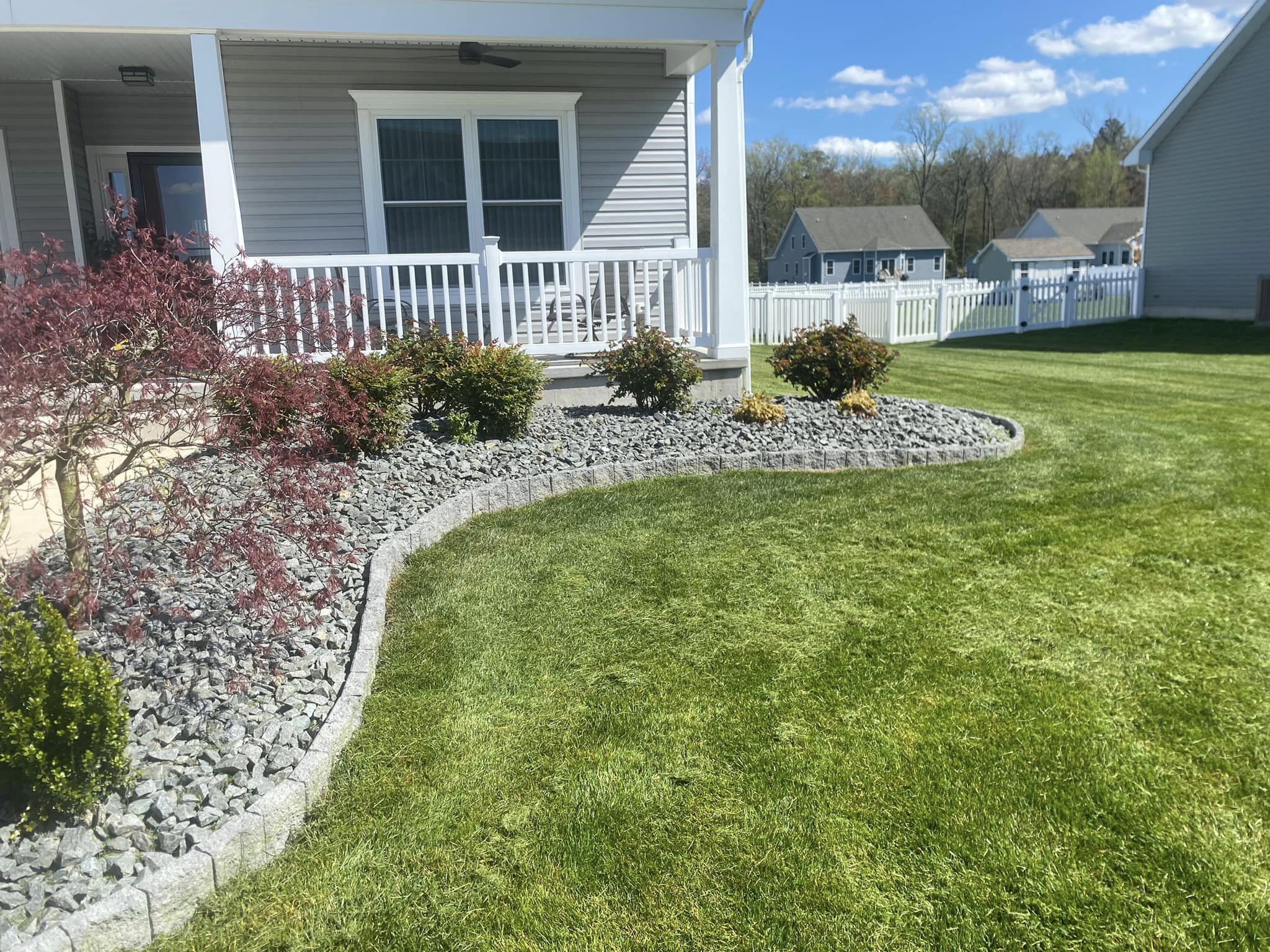
Year-Round Beauty: Seasonal Landscaping Tips for a Lush and Vibrant Garden May 30, 2026
Spring is a critical time for preparation and rejuvenation. As the snow melts away, conduct a thorough clean-up of debris such as leaves and branches that have accumulated over the winter months. This is the perfect season to introduce fresh compost into your soil, boosting its fertility. Adding organic matter not only nourishes the plants but also improves soil structure. Consider planting perennials and hardy annuals to add bursts of color to your property. Spring landscape design should focus on layering plants with varying blooming schedules to ensure continuous blooms as the seasons progress.
As summer arrives, the focus should shift to maintenance and sustainability. With increased temperatures and sun exposure, irrigation becomes essential. Consider installing an efficient drip irrigation system to conserve water while keeping your garden hydrated. Mulching is another summer must-do; it helps retain soil moisture and keeps roots cool. Deadheading flowers, or removing spent blooms, encourages plants to produce more flowers, ensuring your garden remains vibrant. During these months, pest control is crucial, so keep an eye out for unwanted visitors and respond promptly with eco-friendly solutions.
Autumn is the time for transition, preparing your garden for the cold months ahead. As temperatures begin to drop, start by cutting back perennials and dead or dying plants to prevent diseases and pests from overwintering. This is also the season to divide overcrowded perennials, which can invigorate plants and increase next year’s floral display. Incorporating seasonal plants like chrysanthemums and ornamental kale can add color and texture to your landscape. Additionally, autumn is perfect for planting bulbs such as tulips and daffodils that will bloom beautifully in spring.
Winter, often seen as gardening's dormant period, is an ideal time for pruning and planning. Pruning trees and shrubs in winter prevents disease spread and promotes healthy growth come spring. Use this downtime to research and plan next year’s floral arrangements, perhaps incorporating more native plants, which generally require less maintenance and water. Enhance your winter landscape by highlighting the natural structure of your trees and adding evergreens or winter-blooming plants like hellebores for visual interest.
Throughout the year, a well-thought-out plan is crucial to maintaining a garden that is both beautiful and functional. Regularly evaluating your landscape’s needs and making necessary adjustments according to each season's demands will ensure its health and aesthetics. At New Vision Landscape, we are committed to helping you create and maintain a stunning garden that thrives throughout the year. No matter the season, the right blend of care and creativity can keep your outdoor space vibrant and inviting.
By understanding the unique requirements of each season and implementing these tips, you can master the art of year-round landscaping. This approach not only maximizes your garden's potential but also enhances your property's curb appeal. With strategic planning, every season offers an opportunity to create a landscape that is as dynamic and evolving as the natural world itself.
/filters:no_upscale()/filters:format(webp)/media/eed884c6-76db-41ea-9536-a419565489bc.jpeg)